
Manual of Engobes, Pigments and Oxides
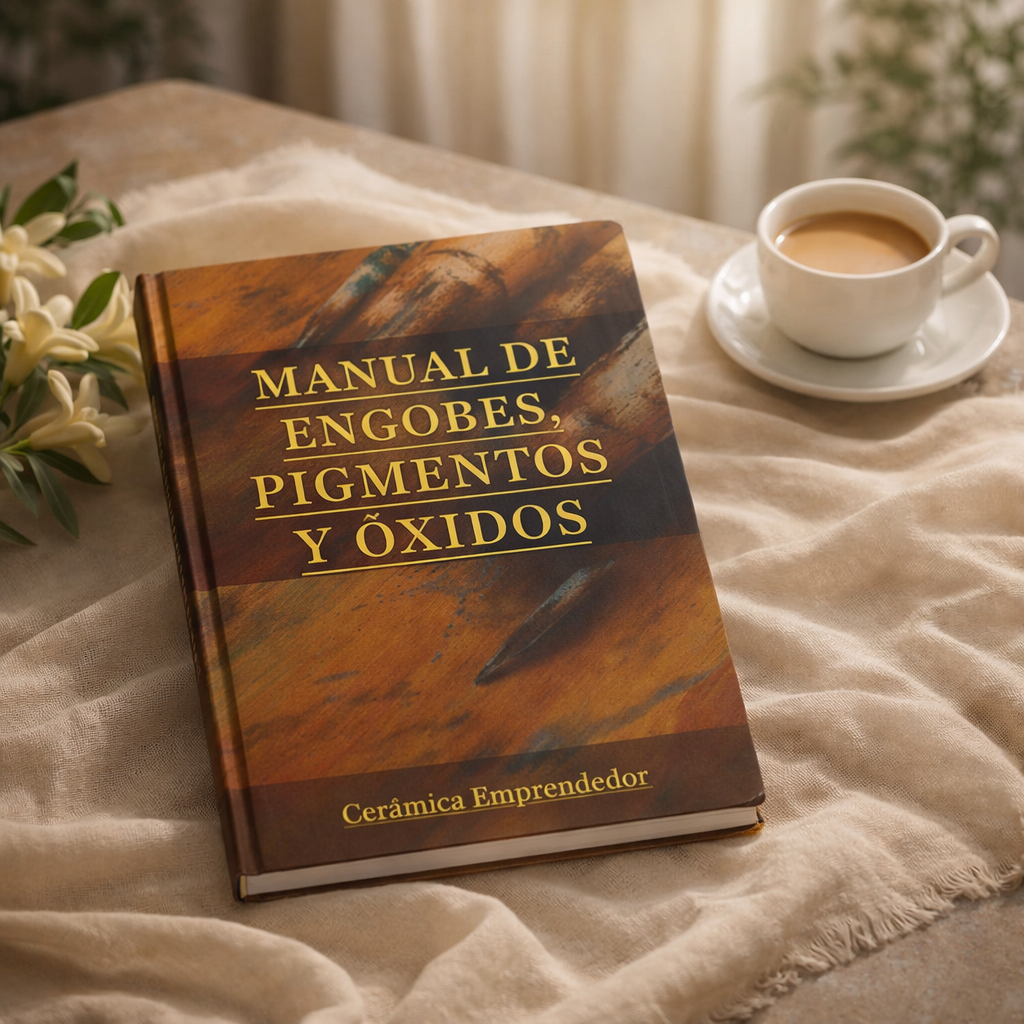
Manual of Slips, Pigments, and Oxides
The most complete manual to master color in ceramics: slips, pigments, oxides, and professional combinations. With formulas and recipes ready to apply to your pieces.
Buy
📖 Total pages: 150
Table of Contents 🎯
(Color · Slips · Pigments · Oxides · Techniques · Projects)
1. Introduction: The Art of Adding Color to Ceramics
- The importance of finishes
- How to make the most of slips, pigments, and oxides
- Choosing the right technique for the piece
- Brief history of finishes
- Influence of temperature
- Chemical-color relationship
- Visual comparison by temperature
- How clay absorption influences the color result
2. What are Slips, Pigments, and Oxides?
- Definition and characteristics
- Key differences
- Interaction with clays and temperatures
- Impact of firing
- Material compatibility
- Visual comparison of results
- Practical table by clay body
- How to make small tests before applying to final pieces
3. Slips: The First Step Towards Color
- What they are and how to prepare them
- Commercial and homemade
- Application techniques
- Recipes by temperature
- Translucent and opaque slips
- Coloration with pigments and stains
- Modifying texture and adhesion
- Adjusting fluidity and plasticity
- Extended recipe book: bases and colored
- Visual samples and technical observations
- How to apply slips in layers without them flaking off
4. Pigments: Intense and Personalized Colors
- Types of pigments
- Use in slips, glazes, and clays
- Suggested combinations and mixes
- How to create harmonious palettes
- Compatibility with glazes
- Metallic pigments
- Common errors and solutions
- Table of indicative proportions
- Comparative pigment gallery
- Chow to achieve pastel or soft tones with pigments
5. Oxides: Special Effects and Unique Tones
- Most commonly used oxides
- Reactions by temperature and atmosphere
- Application methods
- Marbling and gradient effects
- Combinations for special effects
- Tests on different clays
- Quick effect recipes
- Oxides + transparent or matte glazes
- Visual chemical reactions
- Visual oxide recipe book
- How to use oxides to highlight textures and engravings
6. How and Where to Acquire Slips, Pigments, and Oxides
- Factors to consider
- Recommended suppliers
- How to store materials
- Assessing purity and concentration
- Natural and homemade alternatives
- Extended list by country
- Which materials to buy first if you're starting out
7. Practical Techniques and Tips
- Combinations for unique results
- Solutions to common problems
- Safe layering of materials
- Variations by temperature
- Palette planning
- Recording tests and creating samples
- Visual comparison of overlays
- Planning combined effects
- How to create aged or rustic effects by combining materials
8. Projects for Beginners
- Mug decorated with slips and oxides
- Plate with ceramic pigments
- Planter with gradient effect
- Textured mug + transparent glaze
- Mural with slips and resists
- Rustic plates with dry oxides
- Two-tone bowl
- Decorative plaque with resists
- Glazed pitcher with stained slip
- Project combining slip, pigment, and oxide
9. Common Mistakes and How to Avoid Them
- Adhesion and texture problems
- Material handling and drying
- Pre-firing checklist
- Unexpected reactions
- Proportion errors
- Correcting dull or intense colors
- Quick table of symptoms and solutions
- Visual comparison of error-cause-solution
- Why a color changes after firing and how to predict it
10. Conclusion and Final Recommendations
- How to continue exploring techniques
- Documenting results and tests
- Designing your own recipe book
- Creating a digital or physical archive
- Editable template included
- How to develop your own personalized color palette
