
Practical Formulas Manual
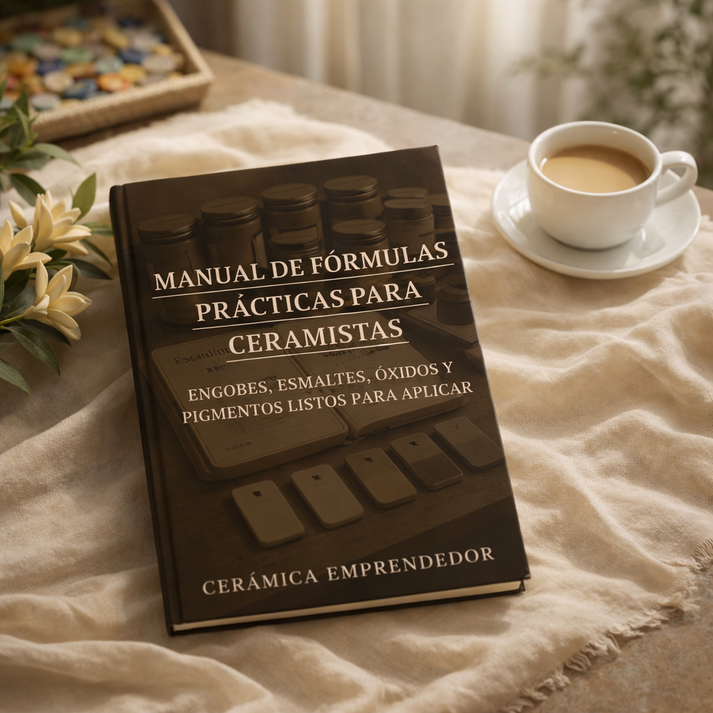
Practical Formulas Manual
A complete recipe book with more than 30 formulas, variations, techniques, and adjustments for glazes, slips, pigments, oxides, and casting slips.
Buy
📖 Total pages: 225
Table of contents 🎯
(Glazes · Slips · Clays · Color · Techniques · Adjustments)
1. Introduction to the ceramic recipe book
- What is a ceramic recipe book and how is it used?
- How to read and understand a ceramic formula
- Differences between glaze, slip, oxides, and pigments
- Recommendations for making the most of the recipe book
- How to organize your recipe book for quick formula searches
- Digital vs. physical formats: advantages and disadvantages
- Examples of technical sheets for recording results
- Pre-checklist before trying a new formula
- How to choose formulas according to the type of piece (functional, decorative, or artistic)
-
How to choose the right formula based on the desired result
2. Basic materials and formula preparation
- Essential tools: scale, sieve, containers
- How to weigh and mix correctly
- Preparation of small quantities
- Safety with oxides and pigments
- Types of sieves and uses
- How to prepare basic casting slips
- Small-scale tests
- Formulas for white, colored, and translucent casting slips
- Influence of water in the mixture: hardness, pH, and recommended proportions
- How to substitute materials when you don't have the originals
3. Bases for slips: formulas and variations
- White, neutral, and vitrifiable slips
- Low and medium temperature
- Adjusting plasticity and adhesion
- Application on bisque or greenware
- Slips for high temperature
- Slips with special additives
- Use of frits to modify fusibility
- How to adjust the base to prevent cracks, flaking, or poor adhesion
- How to correct a slip that peels or crazes
4. Coloring slips with oxides and pigments
- Percentage guide tables
- Applying color without affecting the base
- Monochromatic, mottled, and mixed slips
- Effects depending on temperature
- Gradients and transitions
- Dry vs. suspended pigments
- Formulas for colored slips
- Guide to complex tones: how to mix pigments to achieve custom colors
- Why color changes after firing and how to control it
5. Formulas for transparent glazes
- Glossy, satin, and matte glazes
- Recipes according to temperature (1040–1300 °C)
- Adjusting flow and transparency
- Compatibility with slips
- Glazes for reduction atmosphere
- Transparents with subtle tints
- Adjusting hardness for utilitarian purposes
- New variations by finish
- How to modify a transparent glaze to make it glossier, more matte, or more resistant
- How to adjust a glaze to prevent it from running or dripping
6. Coloring glazes with oxides and pigments
- Formulas by color (light blues, greens, pinks, blacks...)
- Recommended percentages
- Color behavior according to base and temperature
- Intense or soft colors
- Expanded palette with new formulas
- Multi-color base glazes
- Methods to intensify colors
- How to stabilize problematic colors (reds, purples, intense blacks)
- How to repeat the same color in different firings
7. Special glazes and decorative effects
- Crazed, crystalline, dry, mottled, metallic
- Effects of movement or depth
- Special additives: silica, ashes, carbonates
- Precautions for unstable effects
- Volcanic and pearlescent glazes
- Ash glazes for electric kilns
- Glazes with metallic particles
- How to create controlled effects using double or triple layers of glazes
- How to control decorative effects that are often unpredictable
8. Formulas for colored clays
- Red, black, gray, beige, and other clays
- Coloring with oxides in the clay body
- Precautions for absorption and vitrification
- Combination with slips and glazes
- Marbled and mottled clays
- Inlays with colored casting slip
- Clays for fine modeling
- Compatibility between colored clays and glazes/slips
- How much pigment to add without weakening the piece's structure
9. Ceramic tests: how to document and adjust
- Test tiles and proper labeling
- Recording key data
- Smart analysis and adjustments
- Personal formula archive
- Visual comparisons
- Changes in density and viscosity
- Ready-to-print templates
- How to interpret defects in tests (pinhole, crazing, running, bubbles, opacity, etc.)
- How to design efficient tests to save material
10. Final tips and common mistakes
- What to do if a formula fails
- Errors in mixing, application, or firing
- Adapting formulas to your kiln
- Conclusion and inspiration to keep creating
- Errors with casting slips
- Solution for glazes that pinhole
- Corrections before firing
- How to adapt formulas to different clays
- How to know if the error is from the formula or the firing