
Defects and Solutions Manual
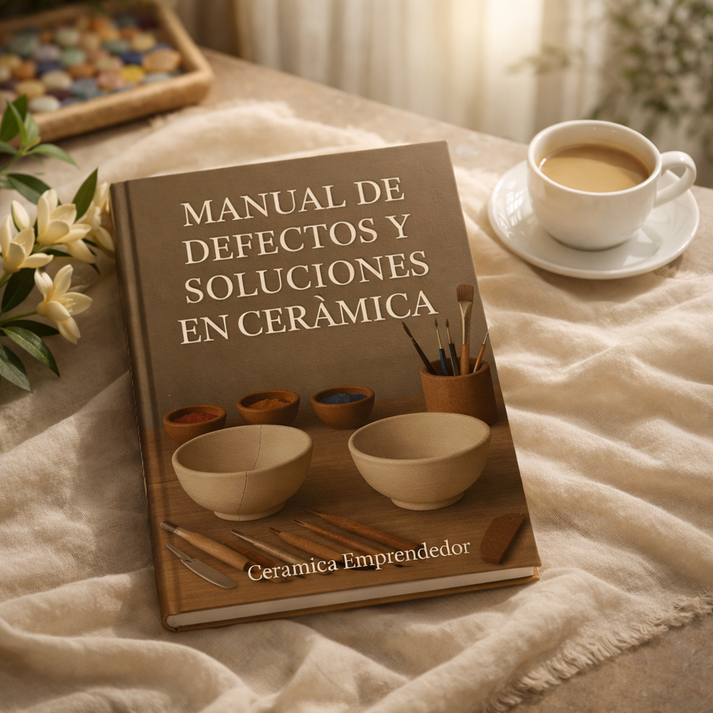
Defects and Solutions Manual
Identify every ceramic defect, understand why it occurs, and apply practical solutions to improve your pieces.
Buy
📖 Total pages: 70
Content Index 🎯
(Defects · Causes · Prevention · Solutions)
1. Introduction to ceramic defects
- What is a ceramic defect and how to recognize it?
- Importance of observing the stage at which it appears
- Defects in greenware, bisque, glazing, and firing
- How to use this manual practically
- Visual examples of common defects
- Prior recommendations before applying solutions
2. Defects in greenware
- Cracks and fractures during drying
- Deformations and warpage
- Explosions due to trapped moisture
- Pieces collapsing when handled
- How to achieve even drying
- Homemade methods to prevent internal tensions
3. Defects in bisque firing
- Cracks after the first firing
- Deformations after bisque firing
- Dark spots and smoke residue
- Invisible internal fractures
- How to ensure uniform bisque firing
- Errors when loading the kiln for bisque firing
4. Defects in glazing
- Crazing on the surface
- Bubbling and craters
- Pinholes and differences from bubbles
- Chipping due to poor adhesion
- Stains, haziness, and opaque areas
- Running and pooling at the base
- Common errors in preparing and applying glazes
5. Defects during firing
- Pieces sticking to each other or to the shelf
- Burned or dull colors
- Differences in gloss and texture
- Excessive reduction or poor atmosphere
- How to protect the kiln and shelves
- Errors when programming the firing curve
6. General solutions and best practices
- How to correctly diagnose a defect
- Basic adjustments to the firing curve
- Compatibility between clay and glaze
- Pre-firing prevention checklist
- Common errors and how to avoid them
- Final tips for turning mistakes into learning
