
Baking Manual
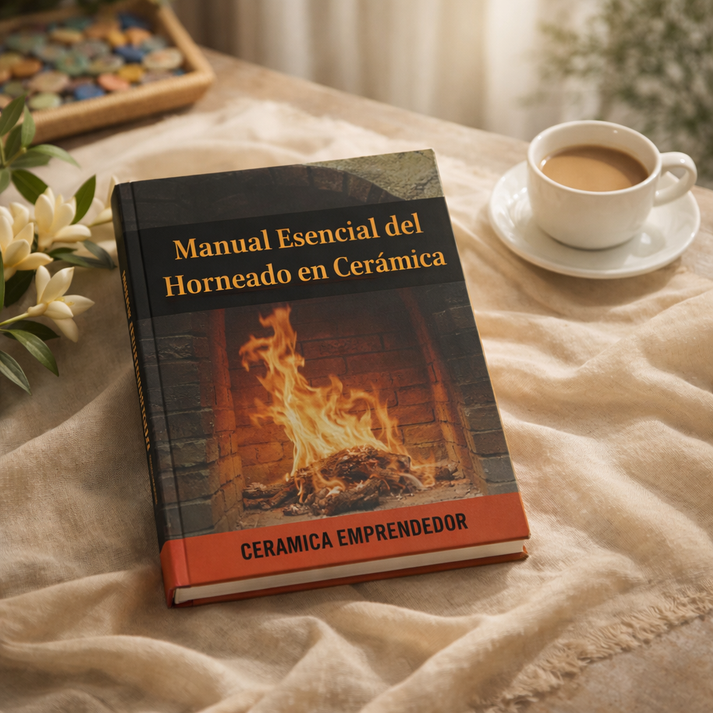
Kiln Firing Manual
Learn to master ceramic firing: temperatures, kiln types, firing curves, and solutions to the most common problems, to achieve safe, resistant, and well-finished pieces.
Buy
📖 Total pages: 150
Table of Contents 🎯
(Includes theory + practical examples)
1. Introduction to Ceramic Firing
- Why firing is key in ceramics
- Types of kilns and their main characteristics
- Temperature and times: basic concepts
- Differences between low, medium, and high temperature
- Kiln classification by use
-
Most common misconceptions that ruin a first firing
- How the type of clay influences the final firing
2. Firing Fundamentals: Low and High Temperature
- What it means to fire at low or high temperature
- Suitable materials for each range
- Advantages and disadvantages of each option
- Oxidizing and reducing atmospheres: their effect on glazes
- Visual comparison of pieces fired at different temperatures
-
How to decide the ideal temperature based on the result you're looking for
- What temperature to use depending on the type of piece you want to achieve
3. Effects of Firing on Glazes, Engobes, and Pigments
- How a glaze changes with temperature
- Behavior of engobes during firing
- Thermal reactions of pigments and oxides
- Differences between commercial and formulated glazes
- Impact of the firing curve on adhesion and texture
- Relationship between firing speed and defects in glazed surfaces
- How to detect if a glaze was overfired or underfired
4. Types of Ceramic Kilns: Which One to Choose?
- Electric, gas, and wood-fired kilns: pros and cons
- Key factors when buying your first kiln
- Maintenance to prolong its lifespan
- Alternative kilns: raku, torch, microwave
- How to choose the ideal kiln according to your production
- Common mistakes when choosing a kiln (and how to avoid them before buying)
- What to consider when using each type of kiln
5. Homemade Wood-Fired Kiln: Construction and Use
- When it is advisable to opt for a handmade one
- Recommended basic materials and design
- Techniques for maintaining temperature
- How to achieve special effects in glazes
- Common mistakes when building your first kiln
- Visual examples of real wood-fired kilns
- Safety and risk control in homemade wood-fired kilns
- Most common mistakes during the first firing in a wood-fired kiln
6. Step-by-Step Firing Process
- How to load the kiln correctly
- Firing curves: ideal times and temperatures
- Common mistakes and how to avoid them
- Step-by-step programming for electric kilns
- How to calculate the cost per firing and per piece
- What to observe during firing and when to intervene (if necessary)
- How to arrange large and small pieces inside the kiln
7. Air Dry Clay: Can It Be Fired?
- Differences from traditional clays
- Is it possible to fire it in a ceramic kiln?
- Alternatives and finishes without firing
- Risks of firing this clay and how to avoid them
- Real cases: when it is and when it is NOT advisable to try to fire it
- How to identify if a clay really needs firing
8. Key Tips for Perfect Firing
- How to avoid cracks and deformations
- Correct use of pyrometric cones and controllers
- Importance of proper cooling
- Pre-firing checklist (downloadable)
- Recommended routine before and after each firing
- How to know if a piece is completely dry before firing
9. Common Firing Problems and How to Solve Them
- Pieces that break or explode due to moisture
- Glazes that bubble or do not adhere
- Unexpected changes in colors and textures
- How to adjust the curve according to the problem
- Kiln errors or temperature failures
- Thermostat diagnosis and solutions
- How to record failures and turn errors into technical learning
- Problems caused by opening the kiln too early
10. Conclusion and Continuous Exploration
- Summary of the manual's key points
- Final tips to improve your firing
- Recommendations for continued learning
- Other manuals and materials available
- How to create your own system of continuous testing and improvement
- How to continue improving your firings through testing and records
