
Clay Dyeing Manual
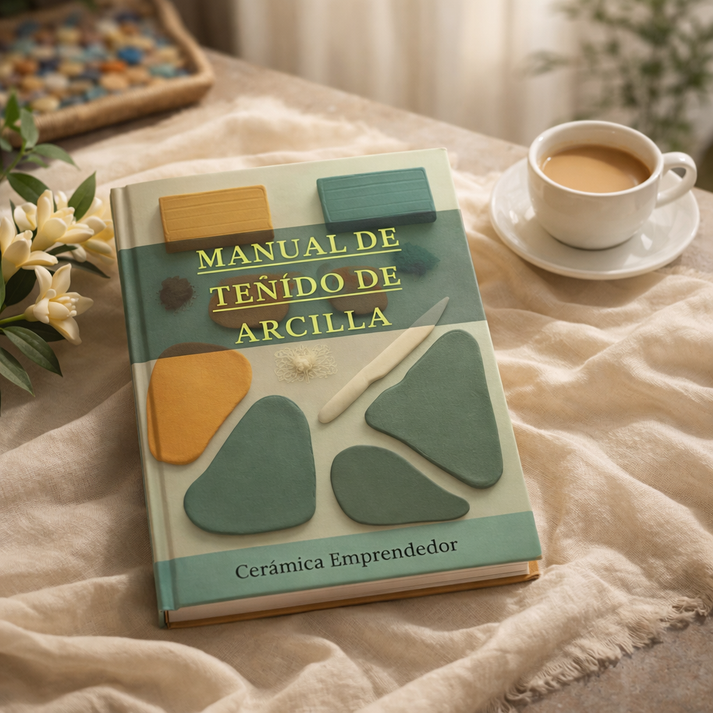
Clay Dyeing Manual
Learn to master ceramic dyeing techniques with clear, practical methods suitable for all skill levels.
Buy
📖 Total pages: 70
Table of Contents 🎯
(Methods + technique + visual effects + practical tips)
1. Introduction to Ceramic Dyeing
- What is clay dyeing and why do it
- Advantages over other decorative techniques
- Possible applications and unique visual effects
- Differences between dyeing, slip, and glaze
2. Types of Clay and their Behavior when Dyed
- White, red, gray, and black clays: which to choose?
- How porosity, plasticity, and particle size influence dyeing
- Compatibility between clay and pigment
- Effect of clay type on the final color
3. Ceramic Pigments and Colorants
- Difference between pigments, oxides, and stains
- Recommended pigments by temperature
- How to calculate the ideal ratio
- Safety precautions when handling pigments
4. Method 1: Kneading Dyeing
- Step-by-step for dyeing solid clay
- How to achieve a homogeneous mixture
- Suggested pigment percentage by color
- Common mistakes (streaks, saturation, slipping)
- Tips for preparing several clays of different colors
5. Method 2: Dyed Slips
- What is slip and how to prepare it
- How to incorporate liquid or powdered pigments
- Uses in casting, decoration, and mixed techniques
- Advantages over direct kneading
- Tips for storing dyed slip without it settling
6. Method 3: Paste-Type Slips
- Difference between liquid slip and thick slip
- How to prepare paste-type slip with pigment
- When and how to apply it on raw pieces
- Effects depending on the tool used
- Limitations and advantages over other methods
7. Visual Techniques I: Marbling and Layers
- Step-by-step clay marbling
- How to control the direction and mixing of colors
- Layering technique: geological cut and ceramic landscape
- Common mistakes (cloudy mixtures, color fusion)
- Temperature and clay type recommendations
8. Visual Techniques II: Inlays, Collage, and Terrazzo
- How to cut and insert pieces of different colors
- Use of molds, slabs, and cuts for inlays
- Step-by-step to create a terrazzo effect
- Bonding and joining clays without glaze
- Recommended pieces for these techniques
9. Common Mistakes and How to Avoid Them
- Uneven or streaky color
- Cross-contamination between pigments
- Clay too dry or too wet when dyeing
- Unexpected reactions in the kiln
- What to do if the color changes too much after firing
10. Final Projects and Continuous Exploration
- Piece ideas: cups, plates, tiles, sculptures
- How to combine dyeing with other decorative techniques
- Workspace organization and storage
- Recommendations for continued experimentation
- What to do with leftover or excess dyed clays
